Recorded on: August 21, 2024

Uncover the various ways to use a RAG solution with PoolParty and GraphDB
We’re familiar with RAG - but which RAG is the right fit?
As organizations increasingly rely on AI-driven information retrieval and generation, traditional Retrieval Augmented Generation (RAG) systems often fall short in production environments. Various solutions have emerged to address this challenge, recognizing that “one size does not fit all” - each organization has unique requirements to tackle this issue within their framework.
Increase efficiency by up to 20% with Semantic RAG (AKA Graph RAG)
This webinar explores an innovative solution: Semantic RAG, which harnesses the power of knowledge graphs, large language models (LLMs), and graph databases to enhance semantic retrieval and generation capabilities.
A key focus will be on LLM-derived knowledge graphs, demonstrating how they can be created and refined with human-in-the-loop processes to achieve greater accuracy and explainability. We'll explore memory constructs in Graph RAG operations, illustrated through practical demonstrations using PoolParty and GraphDB.
We will dive into a real-world case study and explore the pipeline, architecture, and practical applications of Semantic RAG systems. This will showcase valuable insights into the seamless collaboration between PoolParty and GraphDB to deliver a robust Semantic RAG solution. Expert strategies will be shared for maximizing the impact of these innovative technologies by shortening time to insight, providing savvy querying for the untrained, and lowering long term maintenance costs.
Márcia Ferreira, Data and Knowledge Engineer (Technical Consultant) at Semantic Web Company, and Krasimira Bozhonova, Solutions Architect at Ontotext, will walk you through the following aspects and explain the benefits of a Semantic RAG approach:
-
Vector RAG vs. Graph RAG
-
Grounding LLMs with Graph
-
Conventional RAG vs. Semantic RAG
-
Different varieties of Graph RAG
-
Demo of PoolParty Semantic RAG and GraphDB
In the meantime, have a look at our Semantic Retrieval Augmented Generation page to learn more about the capabilities and benefits of utilizing Knowledge Graphs to power your Generative AI experience.
We hope to see you there!
Presented by:
Márcia Ferreira, Semantic Web Company
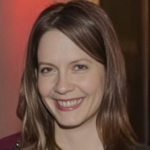
Márcia R. Ferreira is a Data and Knowledge Engineer (Technical Consultant) at Semantic Web Company. By implementing state-of-the-art semantic systems, Márcia ensures customers' data requirements are met at the highest level. She is interested in integrating LLMs with graph technologies for impactful applications in knowledge-intensive industries.
Krasimira Bozhanova, Ontotext

Krasimira Bozhanova is a Solutions Architect at Ontotext, starting her way as a developer and contributing to many of the company's significant client projects. In recent years she has been a part of the AI in Action Ontotext initiative which puts Ontotext products at the heart of various AI applications.





 Chris Carroll is Director of Product Marketing at Acrolinx.
 Mike Iantosca is Senior Director of Content Platforms at Avalara.
 Dipo Ajose-Coker is Product Marketing Manager at MadCap Software.



 Hareesh Kanakaswamy is the Portfolio Manager of Digital Services Solutions at Sandvik Mining and Construction G.m.b.H. With 14+ years of experience in product development and aftermarket operations, he specializes in constructing end-to-end digital ecosystems for servitization strategies. Hareesh is a firm believer in innovation as the key to sustainable progress for humanity.
 Harald Stadlbauer, MD is General Manager of the NINEFEB Group of companies, dedicated to the advancement of Technical Communication, like Technical Documentation as well as eLearning to the intelligent delivery of it. He is actively engaged in developing iiRDS further as well as contributing to the AAS (Asset Administration Shell) sub-models of the IDTA (Industrial Digital Twin Association)














 Joe Pairman, Director of Product Management, RWS
 Jörg Schmidt, Senior Solutions Architect, RWS
Jörg has been working in multiple roles for different CCMS providers for more than 20 years. During that time, he has helped defining and implementing solutions in verticals like machinery, automotive, A&D - but also pharma & finance. Since 2013, he has been working for RWS as a Solution Architect.
Jörg Schmidt, Senior Solutions Architect, RWS
Jörg has been working in multiple roles for different CCMS providers for more than 20 years. During that time, he has helped defining and implementing solutions in verticals like machinery, automotive, A&D - but also pharma & finance. Since 2013, he has been working for RWS as a Solution Architect.

